


Why Choose Us?
Rich experience
Willing corporation Ltd. was founded after two generations' efforts. We started our international business since 1970s, are mainly focus on the hardware market. Dedicating long term business relationship, carrying out professional matters and earn the reputation.
Excellent service
It is our mission to be the first-class international commerce industry service provider. Providing professional and outstanding customer service at all times. We value sourcing, creating, and selling products that are of high quality and ethically made.
Professional team
Our fantastic team work tirelessly to source unique products and ensure shipment of the best quality items at the most competitive prices and stable production through our trusted supply chain.
High quality
Through integration of industry and foreign trade, we have more than 500 factories and reliable freight forwarder in deeply cooperation which can provide cost-effective products you need.
What Is a Clamp
A clamp is a tool that securely holds and affixes objects or materials in place by applying a compressive force. A clamp's specific design and operation vary depending on its intended use. Generally, it consists of a pair of jaws, or pads brought together by a threaded screw or lever mechanism. The jaws of a clamp may be lined with soft materials, such as rubber or plastic, to prevent damage or slipping of the clamped material. Clamps may also incorporate additional features, such as pivoting jaws, swiveling bases, and quick-release mechanisms, to enhance their functionality and ease of use.


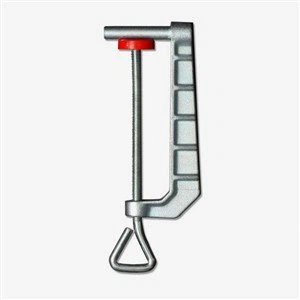


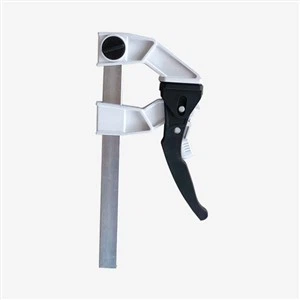


It is essential to know the five advantages of clamps before you use them so that you can make an informed decision:
An efficient system
The installation of hand tools such as clamps, is very simple and quick, and they are highly reliable in terms of performance. In order to ensure accuracy and speed in the work that you do, you have to use clamps that are efficiently set up. The high clamping ability of this tool makes it possible to reduce the number of fixtures required for a particular application, which reduces the amount of time spent on such a project.
Easy to be adapted
Clamps can be adjusted in height according to the height of the workpiece. In particular, this is the case with the Cam-action model, which is often used on rough forges and castings because it has a snap action. Adaptable screws are available for T-slot clamps as well as strap clamps, allowing you to adjust the braking force to your preference.
When working with materials of variable thicknesses, such as wood, metal, and plastic, many of these clamp models have a very high exertion force and are very adjustable, which is very useful when working with flexible materials.
A tool with a versatile approach
The market today offers a variety of adjustable clamp types for use in various applications. The toggle clamp is the most versatile clamp available on the market among all the commercial clamps found on the market today. In order to differentiate a clamp from another, a number of factors must be taken into account, such as handle placement, handle design, and pressure ratings.
Provide enough safety
These clamps have been designed in such a manner that they guarantee a high level of safety during use. In addition to locking the tool into place, the locking mechanism also keeps the workpiece securely in place as well.
In this way, slips or loose grips can be prevented from causing accidents due to the slightest slip. Toggle clamps have the advantage of being able to exert a high level of force on the workpiece. This is a major benefit of using clamps because they have a superior hold power, which makes them safer.
An ergonomic approach
A clamp handle is designed so that you can maximize your work efficiency when you are working, thus reducing the strain. In most cases, the grips on the handles of the models have contoured shapes that provide a comfortable fit in the hand. In order to make the handles more comfortable for you, you can adjust them to your preference.
You can also bend the handle if necessary if you find that it is more convenient for you. As a result, the wrist is positioned in a straight position as you work, which will reduce the likelihood of you suffering strain injuries, fatigue, or other problems associated with your job.
Types of Clamps
Clamps are available in a variety of shapes and mechanisms. The different types of clamps are:
C-clamp: This type of clamp has a C-shaped frame and a screw mechanism that allows for easy adjustment and tightening. It is commonly used in woodworking and metalworking. This clamp is made of cast iron or steel and also known as a G-Clamp.
Bar clamp: With a long bar and a sliding jaw, bar clamps provide a strong and even pressure distribution. They have a wider opening capacity and are ideal for larger projects.
Spring clamp: These clamps have a tension spring allowing a quick and easy one-handed operation. They are commonly used for light-duty applications.
Pipe clamp: A pipe clamp is designed to hold pipes or cylindrical objects securely. It typically consists of a long, threaded screw that can be tightened around the pipe, providing a strong grip for plumbing or drainage projects.
Bench vise: It is a heavy-duty clamp that is permanently attached to a workbench or table. It has two jaws, one fixed and one movable, which can be tightened together to hold objects firmly in place. Bench vises are commonly used in metalworking, woodworking, and manufacturing processes.
Toggle clamp: Toggle clamps are unique clamps that use a lever system to apply pressure and hold objects securely. They are commonly used in jigs and fixtures, as well as in applications where quick and repetitive clamping is required.
Hydraulic clamp: A Hydraulic clamp involves using a hydraulic cylinder that applies pressure on the workpieces. These are commonly used in high-force industries and construction to remove debris and unwanted materials.
Common Uses for Clamps
Clamps are versatile tools that can be used in a wide range of applications.
Holding pieces together while glue dries
One of the primary uses of clamps is to hold pieces together while the adhesive sets. In woodworking or other crafts, this is particularly useful when joining two pieces of material with glue. The clamp maintains constant pressure on the joint, ensuring a strong bond once the glue dries.
Securing workpieces for cutting or drilling
Clamps can also be used to secure workpieces during cutting or drilling operations. For instance, when cutting a piece of wood with a jigsaw, you can use clamps to hold the wood securely to your workbench, reducing the risk of inaccuracies or accidents caused by the workpiece shifting during the cutting process.
Keeping a tarp in place
Another practical use for clamps is keeping tarps or other coverings in place, especially outdoors. Tarps can be used to protect equipment, materials, or work areas from the elements, but wind and other factors can cause them to shift or become loose.
Holding fabric or paper in place during sewing or crafting projects
Clamps are also handy tools for sewing, quilting, or other crafting projects that involve working with fabric or paper. For example, when sewing a hem on a piece of fabric, you can use clamps to hold the folded edge in place, making it easier to maintain an even, straight seam.
Assembling small furniture or cabinetry
When putting together small furniture or cabinetry, clamps can be used to hold the various components in place as you assemble them. This is particularly helpful when working with pieces that require precise alignment, such as doors or drawers, as the clamps ensure that the parts remain in the correct position while you secure them with screws or other fasteners.
Stabilizing objects for photography
In photography, clamps can be used to stabilize objects, props, or backdrops, ensuring that they remain in the desired position throughout the shoot. This is especially useful when working with lightweight or delicate items that may be prone to movement or shifting.
Regular maintenance and inspection of your clamps and vices are crucial for ensuring their safe and efficient operation. Here are some steps to follow:
- Clean your clamps regularly to remove dirt, debris, and any accumulated residue. This will help prevent rust and ensure smooth operation.
- Inspect your clamps for signs of wear, damage, or corrosion. Check for cracks, bent components, or other issues that may compromise the tool's integrity.
- Lubricate moving parts, such as screws and pivot points, with a suitable lubricant to ensure smooth operation and prevent rust.
- Replace damaged or worn-out components promptly to maintain the tool's performance and safety.

Choosing the Right Clamp for Your Project
Choosing the right clamp: When selecting a welding clamp, consider the following factors:
Size: Choose a clamp size that matches the dimensions of your workpieces. A clamp that is too small won't provide adequate grip, while an oversized clamp might not hold smaller pieces securely.
Material: Opt for clamps made from durable materials like steel or cast iron. These materials offer strength and stability, ensuring the clamp can withstand the welding process's heat and pressure.
Throat Depth: Consider the throat depth, which is the distance from the screw to the frame. A deeper throat allows the clamp to reach further into the workpiece, providing better clamping options, especially for larger materials.
Clamping Pressure: Different clamps offer varying clamping pressures. For delicate materials, choose clamps with adjustable pressure settings to avoid damaging the workpiece.
Ease of Use: Look for clamps with ergonomic handles and smooth adjustment mechanisms. Easy-to-use clamps enhance workflow efficiency and reduce fatigue during prolonged welding sessions.
Selecting the right welding clamp is crucial for the success of your welding projects. Assess your specific needs, considering the type and size of the workpieces, and choose clamps that offer the right combination of size, material, throat depth, clamping pressure, and ease of use.
5 Safety Tips to Follow When Using a Clamp
Clamps offer a simple and effective workholding solution. While available in different styles -- bar, C-clamps, hand screw clamps, etc. -- they are all designed to hold a workpiece. If you're going to use a clamp, though, you should follow these five safety tips to protect against injury.
Make Full Contact With the Pressure Plate
You should make full contact with the pressure plate and the workpiece when using a clamp. The pressure plate is the flat, square-shaped plate on a clamp. When you tighten the clamp, the pressure plate will move closer to the workpiece. The pressure plate should completely touch the workpiece. If only part of it is touching the workpiece, the clamp may fail to secure the workpiece.
Regularly Oil
Clamps require maintenance. Even if you have a manually operated clamp, you'll still need to oil it. Oil serves as a lubricant. By regularly oiling your clamp, you can rest assured knowing that it will move more smoothly while generating less friction. You don't have to oil it each time you use it. Nonetheless, you should oil your clamp once every few months.
Wear Safety Goggles
Always wear safety goggles when using a clamp. Some of these eye injuries are minor, but others are more severe and long-lasting. To protect against eye injury, you need to wear safety goggles. Safety goggles will allow you to use a clamp while minimizing your risk of sustaining an eye injury.
Tighten By Hand
You should only tighten clamps by hand. Bar clamps, C-clamps and hand screw clamps all have an adjustable lever. Turning this lever clockwise will tighten the clamp by pushing the pressure plate closer to the workpiece. Only use your hand when turning the lever. Attempting to tighten a clamp with a tool like a wrench is a safety hazard. The tool may slip, which can lead to bodily injury.
Avoid Over-Tightening
Don't make the mistake of over-tightening clamps. Clamps are powerful devices that can apply a substantial amount of pressure to workpieces. While you can certainly tighten a clamp so that the workpiece doesn't move, you should use caution to avoid over-tightening the clamp. Over-tightening may damage the workpiece. If it's a wooden workpiece, over-tightening may even create wooden projectiles and shards that can cause bodily injury.

The clamps hold objects firmly in places. Whether it is using to clamp an object to a work's surface or to hold two or more objects together, the purpose of clamps is to provide the user with a firm grip to accomplish the required task.
If a clamp has only one jaw, then the device is designed to be used in conjunction with a work surface, such as a benchtop to stabilize an object.
If a clamp has two jaws, they will work together to hold the item.
Depending on the mechanism used, the jaws are controlled differently on different types of clamps.
Some types will use a trigger mechanism, whereby the jaws are adjusted using a trigger or lever.
Alternatively, some types have a conventional screw that adjusts the clamp.
When the screw is rotated, the clamps close around the workpiece, and pressures are applied to keep it firmly in place.
Our Factory
Willing Corporation Limited
We started our international trade since 1980s, Willing corp. was founded after two generations' efforts. Dedicating long term business, carrying out professional matters and earn the reputation.

Our Client
Our client mainly located in Europe, North America, and Asia. Among them, there are more than five companies with a century-old business history. Over several generations of trades, we have become the purchasing office in China for some Polish and Japanese clients. We also sincerely hope that in the process of getting along with you, you can be a life-time client with us.

FAQ
We're well-known as one of the leading clamp manufacturers and suppliers in China. Please feel free to buy or wholesale high quality clamp at competitive price from our factory. For more information, contact us now.
Sprayer, Solar Waterproof Wall Light, Spray Gun