


Why Choose Us?
Rich experience
Willing corporation Ltd. was founded after two generations' efforts. We started our international business since 1970s, are mainly focus on the hardware market. Dedicating long term business relationship, carrying out professional matters and earn the reputation.
Excellent service
It is our mission to be the first-class international commerce industry service provider. Providing professional and outstanding customer service at all times. We value sourcing, creating, and selling products that are of high quality and ethically made.
Professional team
Our fantastic team work tirelessly to source unique products and ensure shipment of the best quality items at the most competitive prices and stable production through our trusted supply chain.
High quality
Through integration of industry and foreign trade, we have more than 500 factories and reliable freight forwarder in deeply cooperation which can provide cost-effective products you need.
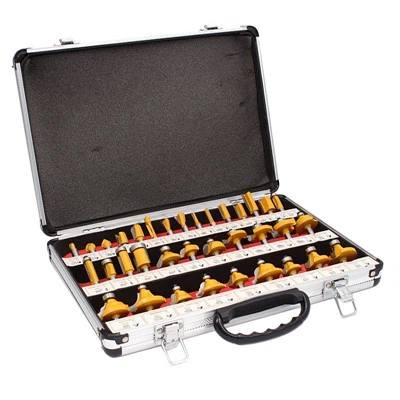
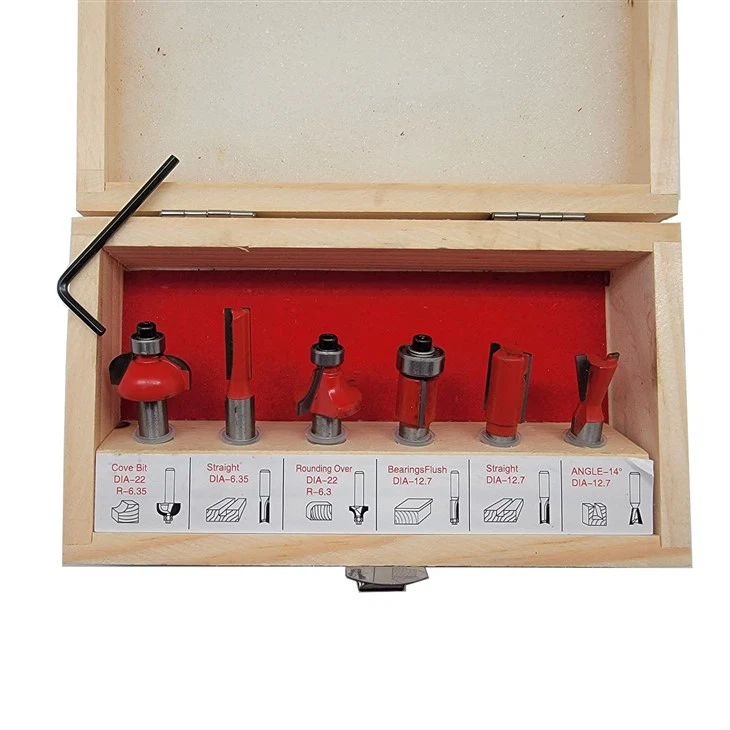
Wood Milling Cutter Set
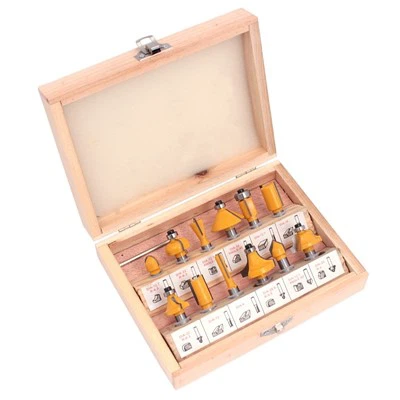
Wood Carving Knife Set
Spring Clamp
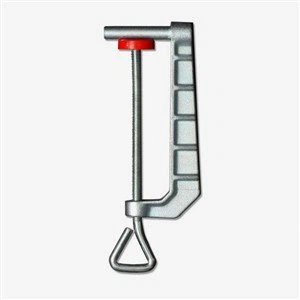
C Clmap
G Type Clamp
Lever Clamp
Parallel Clamp
Bar Clamp




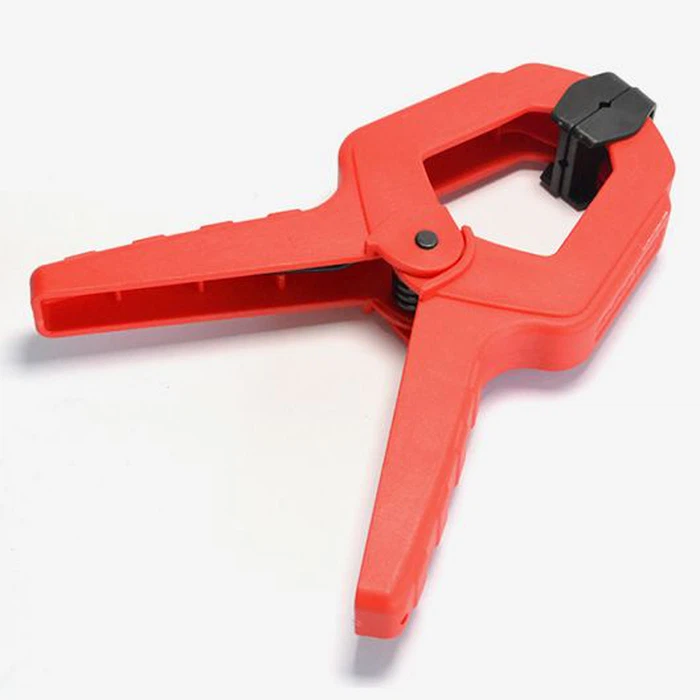
Spring clamps are hose clamps that feature a spring-like design. They still feature a band of material, but they don't have a captive screw. Instead, spring clamps consist of a semi-elastic band of material that works like a spring.
To install a spring clamp, you'll need to loosen it. Most spring clamps have two tabs on one end and a single tab on the opposite end. Using a pair of pliers, you can press these tabs together to loosen the spring clamp so that it becomes larger. You can then slide the spring clamp over the hose. After releasing the pliers from the tabs, the spring clamp will revert back to its original "clamped" position.
Types of Spring Clamps
There are several types of spring clamps available, each with its own unique features and benefits. Some of the most common types include:
Metal spring clamps
These clamps are made from metal, typically steel, and are known for their durability and strength. They come in various sizes and are suitable for heavy-duty applications.
Plastic spring clamps
Made from high-quality plastic, these clamps are lightweight, corrosion-resistant, and ideal for lighter-duty work where metal clamps may be too heavy or cause damage to delicate surfaces.
Nylon spring clamps
Similar to plastic clamps, nylon clamps are lightweight and corrosion-resistant but offer greater durability and strength than standard plastic clamps.
Ratcheting spring clamps
These clamps feature a ratcheting mechanism that allows you to apply increased pressure without the need for excessive hand force. They're perfect for tasks that require a more controlled and precise clamping pressure.
Miniature spring clamps
These clamps are smaller in size and are perfect for detailed work or projects that require a more delicate touch.
Sizing in Spring Clamps
Spring clamps come in a variety of sizes, and it can be easy to get lost in the different dimensions if you're not sure what you're looking for. When purchasing a spring clamp it is essential to be aware of the sizing and whether it is appropriate for your task.
Mini- 2"
Usually available online in a pack of ten or twenty, this spring clamp is a mini but mighty tool useful in situations where space is tight. The opening is just large enough to forcefully hold materials down but small enough to fit into spaces larger clamps cannot access. However, the clamp is very small and not the best choice for projects where a greater clamping force or jaw opening is required. To help visualize its size, imagine a spring clamp that fits into the palm of your hand.
Small- 3.75" and 4.5"
Despite being smaller than your average spring clamp, the three to five-inch long spring clamps pack a lot of strength and come in very handy. This size is perfect for those who are looking for spring clamps to help out in the photo studio. Activities like securing backdrops on standard photography background stands are where a good heavy-duty spring clamp is ideal.
Medium- 6"
6 inches in length is the standard size for most spring clamps and is the best choice for those looking to buy a spring clamp for woodworking and carpentry. This size spring clamp is most commonly used for the task of fastening materials in place while gluing so the adhesive sets properly.
Large- 9"
The larger spring clamps are when you need a spring clamp that is a little more heavy-duty and firm than standard. For holding down material like tarp or securing wooden boards that are thicker in diameter, a larger spring clamp may be the better option. However, these can often be difficult to grasp with one hand due to their length so make sure a large clamp is what you really need!
To get the most out of your spring clamps, follow these tips and techniques:
● Use the right size: Always choose a clamp that is the appropriate size for your project. Using a clamp that is too large or too small may result in inadequate pressure or damage to the workpiece.
● Apply even pressure: When using multiple clamps, ensure that they apply even pressure across the workpiece to prevent warping or uneven bonding.
● Protect delicate surfaces: If you're clamping a delicate surface, place a piece of soft material, such as cloth or cardboard, between the clamp and the workpiece to prevent damage.
● Avoid over-tightening: Applying too much pressure can cause damage to your workpiece or even break the clamp. Adjust the clamping pressure as needed for your specific task.

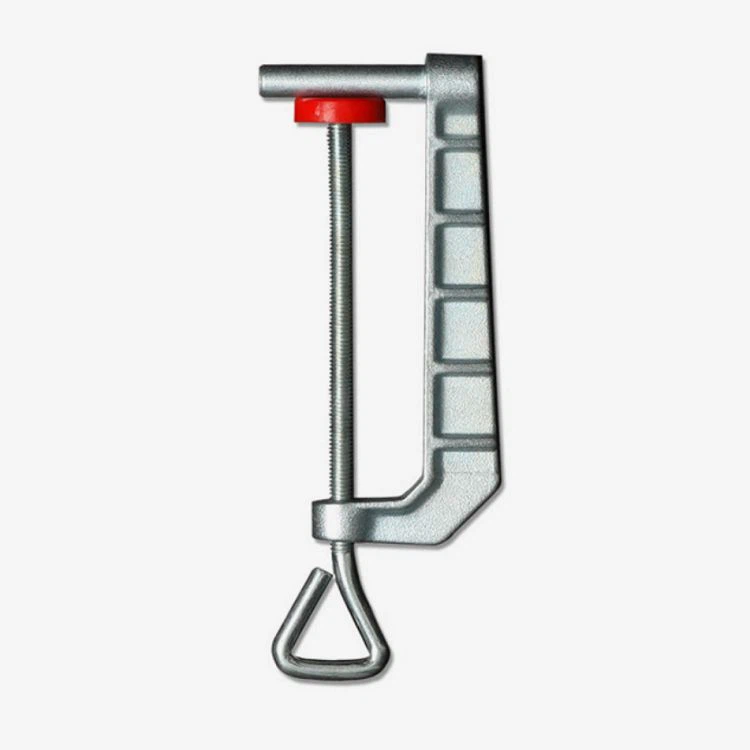
The C-Clamp, also known as the G-Clamp or G-Cramp, is a simple yet highly effective tool used to hold or secure objects together. Named for its distinctive "C" shape, this clamp is widely employed across various industries and applications, including woodworking, metalworking, automotive repairs, and general home maintenance.
Types of C Clamps
There are several types of C Clamps available on the market, each designed for specific tasks and materials. Some common types include:
Standard C-Clamp
The most common type of C-Clamp, featuring a simple design with a fixed frame and adjustable screw mechanism.
Deep Throat C-Clamp
Designed with a longer throat depth, allowing for clamping on larger or thicker workpieces.
Quick-Release C-Clamp
Equipped with a quick-release mechanism for faster adjustments and easier use.
Locking C-Clamp
Features a locking mechanism to maintain consistent clamping pressure without the need for constant adjustments.
C-Clamps Are a Versatile Tool
The benefits of C-Clamps may depend upon the industry they are used in.
The C-Clamps, or G-Clamps, hold wood or metal to keep them in place—the industries like Carpentry, automotive, welding, etc., use these tools and get various advantages out of them. This frame gives the tool strength and durability.
This tool is highly recommended for professional users to perform heavy-duty tasks with tough metals and fabrication work. Commonly used for woodworking, the C-Clamp tools provide aid in preventing the glued wood from warping together by holding the pieces steadily.
The C-Clamp is used to hold metals during the process of welding. This is a perfect tool to help various industries nicely.
While changing brakes, a c-clamp is used to hold the frame. The perfect device works incredibly to apply pressure to a break-caliper. For automotive bodywork, the C-Clamp tool is helped to hold pieces to keep them in place.
C-Clamps have an upper and lower spindle that can change the clamping thickness. It holds a fused steel handle to help it bend well to avoid stress on the tool.
Common Applications of C Clamps
C-Clamps are versatile tools, with numerous applications across various industries:
Furniture Assembly: Use C-Clamps to hold components together while you assemble furniture, ensuring a secure and stable connection.
Picture Framing: Secure the frame components together with C-Clamps while gluing or nailing them in place for a perfectly aligned picture frame.
Gardening: Utilize C-Clamps to attach trellises or other support structures to raised garden beds or fences.
Woodworking: Securing workpieces during cutting, sanding, or gluing tasks.
Metalworking: Holding metal parts in place during welding, grinding, or drilling operations.
Automotive Repairs: Clamping brake calipers, exhaust pipes, or other components during maintenance and repair tasks.
Home Maintenance: Holding pipes, shelves, or fixtures in place during installation or repair.
Benefits of Forging for C Clamp
Stronger C Clamps
Forging provides better mechanical properties, ductility and fatigue and impact resistance because this process refines and directs the grain flow according to the shape of C clamp.
Significant Savings
Forging reduces the weight required to manufacture the C Clamp frame, therefore, there is a real and significant cost savings. Also, the pieces have less excess so they require less machining hours and less material to be used to clean the piece at the end.
Wide range of shapes and sizes
The design of shapes is so versatile that they can be forged from simple bars and rings to more complex pieces, according to different needs.
C-clamps or G-clamps are typically made of steel or cast iron, though smaller clamps may be made of pot metal. At the top of the "C," is usually a small flat edge. At the bottom is a threaded hole through which a large threaded screw protrudes.
One end of this screw contains a flat edge of similar size to the one at the top of the frame, and the other end usually a small metal bar, perpendicular to the screw itself, which is used to gain leverage when tightening the clamp. When the clamp is completely closed, the flat end of the screw is in contact with the flat end on the frame. When the clamp is actually used, it is very rare that this occurs. Generally, some other object or objects will be contained between the top and bottom flat edges.
Select the proper clamp style and size by matching the work-holding requirements of the job with the following clamp features:
● Strength and weight (e.g., consider rail size and nominal clamping pressure)
● Opening (length of reach)
● Throat depth (depth of reach)
● Ease of adjustment
● Clamping surfaces (material used and size)
Wear safety glasses or goggles, or a face shield (with safety glasses or goggles).
Ensure that the swivel at the end of the screw turns freely before using.
Dispose of clamps with bent frames; replace bent spindles, if possible.
Ensure that the pressure plate and anvil parts of the clamp are in full contact with the workpiece before tightening.
Close the jaws until the clamp feels tight. For example, when gluing, some glue will be squeezed out, a sign that it is tight enough.
Use pads with C-clamps to avoid marking the work.
Our Factory
Willing Corporation Limited
We started our international trade since 1980s, Willing corp. was founded after two generations' efforts. Dedicating long term business, carrying out professional matters and earn the reputation.

Our Client
Our client mainly located in Europe, North America, and Asia. Among them, there are more than five companies with a century-old business history. Over several generations of trades, we have become the purchasing office in China for some Polish and Japanese clients. We also sincerely hope that in the process of getting along with you, you can be a life-time client with us.

FAQ
We're well-known as one of the leading carpentry tools manufacturers and suppliers in China. Please feel free to buy or wholesale high quality carpentry tools at competitive price from our factory. For more information, contact us now.